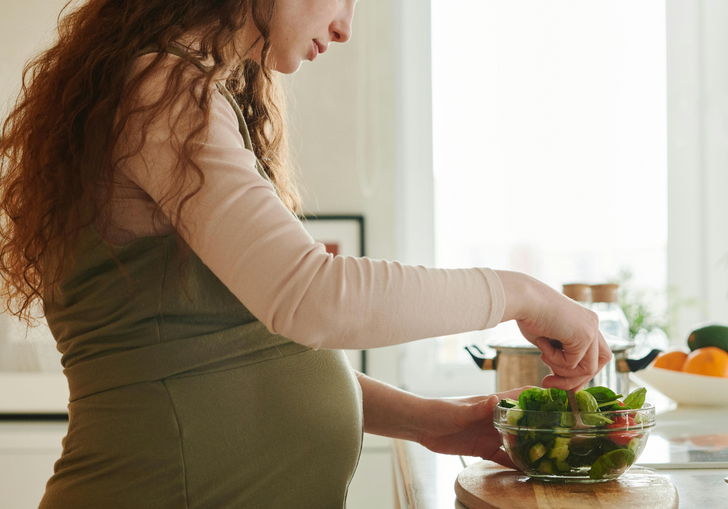
An invitation to dinner can come with a second, invisible to-do list.
What will be served? When are we eating? Should I bring something? How much do I want to explain?
For someone with digestive concerns, those questions can start well before dinner. With Thanksgiving around the corner, a little planning can make your gathering feel easier.
Start the conversation before dinner
If you're hosting, ask about food needs when you send the invitation. A private message gives your guest time to respond without having to explain themselves at the table.
Try: "I'm planning the menu. Are there any ingredients or dishes you'd like me to keep in mind?"
A rough serving time is useful, too. If dinner is likely to run late, let your guest know so they can plan around it.
People with IBS respond differently to dietary changes. Start with what your guest already knows works for them.
Make a clear request as a guest
You decide how much of your health history to share. Focus on the detail that would make the biggest difference to your evening.
-
"Could you let me know roughly when we're eating? That helps me plan."
-
"Would you mind sharing what goes into that dish?"
-
"I'd love to bring something I know works for me. Is that okay?"
If you'd like to bring a dish, agree on it with your host beforehand. Let them know whether you'll bring it ready to serve or need oven or refrigerator space.
Offer choices with less fuss
Share a recipe or ingredient list so your guest can see what goes into each dish. You can set aside a portion of a side dish before adding a sauce or topping, so everyone can build a plate they enjoy.
Let guests know where the bathroom is and offer a quiet place to take a break.
Four simple dishes to offer
-
Herb-roasted turkey, with gravy served separately.
-
Roasted or mashed potatoes. Use lactose-free milk in the mash if lactose is a known concern.
-
Roasted carrots with olive oil and thyme make a straightforward vegetable side.
-
Simply cooked green beans, with sauces and toppings on the side.
Include a couple of dishes your guest already enjoys alongside the holiday favorites you love making. Talking through those choices ahead of time gives you both a clearer idea of the meal, and leaves the day itself for cooking, catching up and enjoying each other's company.
Let guests choose what to eat
Holiday food often comes with enthusiasm: a second helping, a family recipe, a dessert someone spent all morning making.
Let your guest know there's more if they'd like it, and leave the invitation open.
A guest might decline a second helping of the stuffing you've made every Thanksgiving. When you've put time into a favorite recipe, it's easy to hope everyone will want more. Acknowledge their answer and pass the dish along. The evening can carry on without that one food choice becoming the focus.
Keep questions about portion sizes, skipped dishes and bathroom breaks out of the dinner conversation.
That goes for the guest enjoying every course, too.
Once everyone has food, turn your attention to the people around the table. Catch up with someone you haven't seen in a while, or ask how a favorite dish became a family tradition. For the host, this is a chance to sit down and enjoy the gathering too. The plans you made earlier can stay in the background.
Make room for the person at the table
Guests with digestive concerns deserve the same welcome as everyone else.
A little planning gives everyone more room to enjoy each other's company, at Thanksgiving and whenever you gather.
Related reading: A Guide to Eating with IBS