Nearly 3,900 Americans under 50 are projected to die from colorectal cancer this year. New research from Jona suggests that gut microbiome patterns associated with colon polyps may offer important clues to colorectal health—potentially years before routine screening begins.
In Jona's research, 16.7% of adults under 40 showed a gut microbiome signature associated with colon polyps — growths that can sometimes develop into colorectal cancer. Researchers analyzed microbiome data from 3,545 adults and compared age-group findings with polyp prevalence data from 182,295 colonoscopies.
¹ Kosinski, L. R., Grady, L., Robert, E., Yoo, C., & Lieberman, D. A. (2026). Use of AI enhanced shotgun metagenomics as a tool to select patients under 45 for colon cancer screening.
Gastroenterology, 170(6), S-267–S-268. https://doi.org/10.1016/S0016-5085(26)00973-X

Lawrence Kosinski, MD, MBA
Chief Medical Officer, Jona
Gastroenterologist with 35 years of clinical experience and member of the American Gastroenterological Association Governing Board.

Colorectal cancer in adults under 50 now accounts for 14% of all new cases. Yet routine screening for most average-risk adults doesn't begin until age 45. As rates rise among younger adults, understanding colorectal health and potential risk factors before the recommended screening age is increasingly important.

Many colorectal cancers develop from precancerous polyps, often without noticeable symptoms. Emerging research suggests that certain gut microbiome patterns may be associated with these polyps, offering another potential clue about colorectal health.

Jona's AI-powered Microbiome Analysis compares your gut microbiome with patterns identified in scientific research, including those associated with colon polyps. While these findings cannot diagnose polyps or cancer, they can provide information to discuss with your healthcare provider.
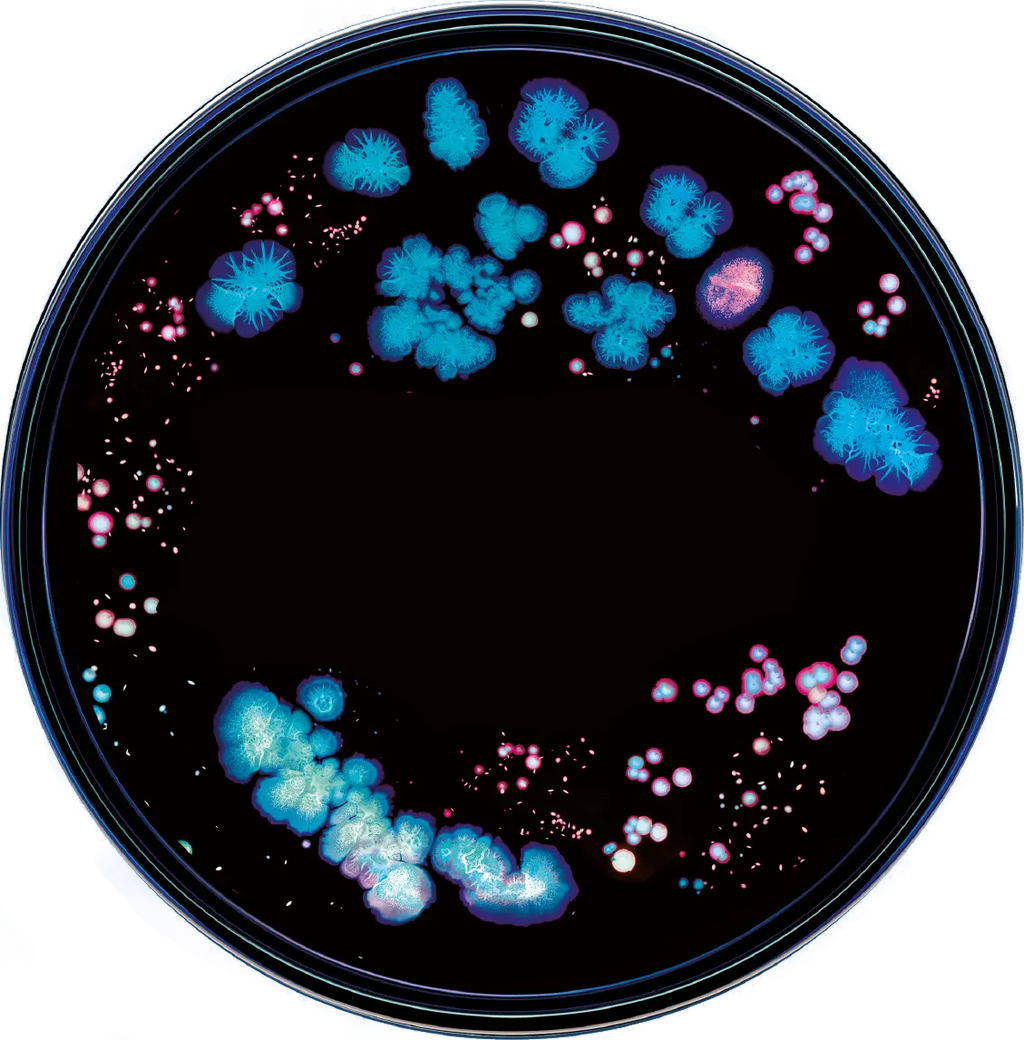


Jona goes beyond a narrow pathogen panel like most other tests. Unlike basic PCR methods, Jona uses deep shotgun metagenomic sequencing to identify, down to the strain level, all the bacteria, fungi, viruses, and other organisms in your patient's sample — usually leading to 10–20x more organisms detected than other tests.
Most available screening tools detect cancer or cancer signals already in the bloodstream. Jona's Clinical Gut Microbiome Analysis uses deep shotgun metagenomic sequencing to identify associations between your patients' microbiome and polyp-associated signatures — in patients of any age, with no invasive procedure required. Jona does not diagnose, treat, or prescribe.
Jona is available for patients of all ages — making it particularly valuable for patients under 45 who fall outside current screening age guidelines but whose microbiome may show associations worth evaluating.
Jona AI helps you interpret findings by identifying microbiome associations to conditions and symptoms based on 220K+ peer-reviewed studies. Using Digital Twin analysis, Jona simulates what actions your patient can take to improve their microbiome signatures — bringing the full breadth of microbiome science to your fingertips and saving you time.
Jona's Digital Twin models how dietary, lifestyle, and probiotic interventions may shift the microbiome — providing insight into potential outcomes before interventions are implemented.
Yes — Jona is HSA/FSA eligible with no Letter of Medical Necessity required. That means patients can access Jona instantly using their existing HSA or FSA funds — no extra steps, no delays, and no additional paperwork for your team.
Sign up at jona.health to access your dedicated practitioner portal. From there you can order tests in bulk, ship directly to patients, or share a patient-pay link — and access clinical education resources and interpretation support whenever you need them. Contact us at practices@jona.health to schedule a complimentary demo.

