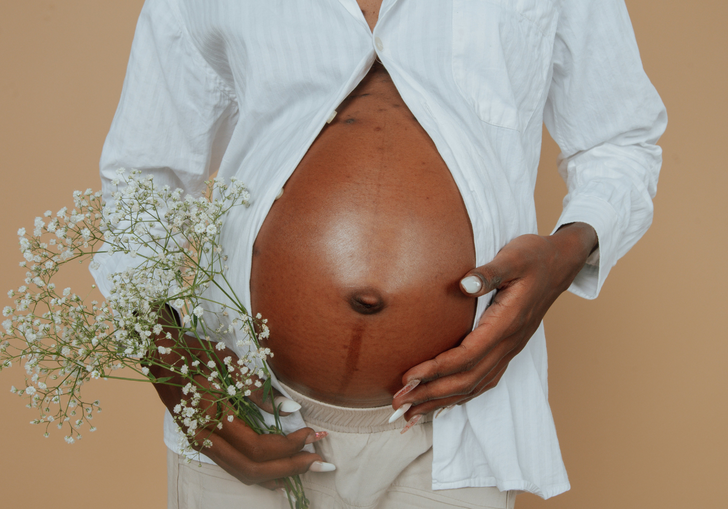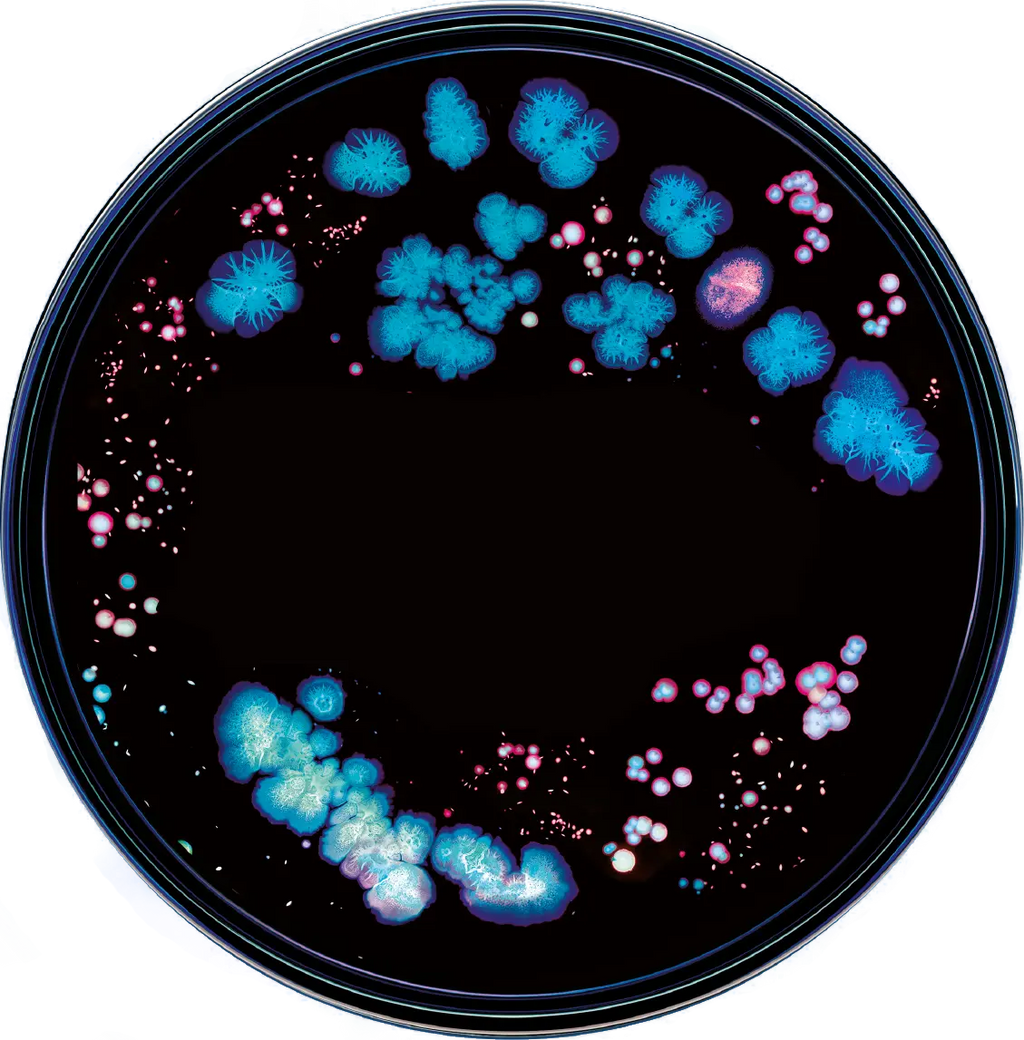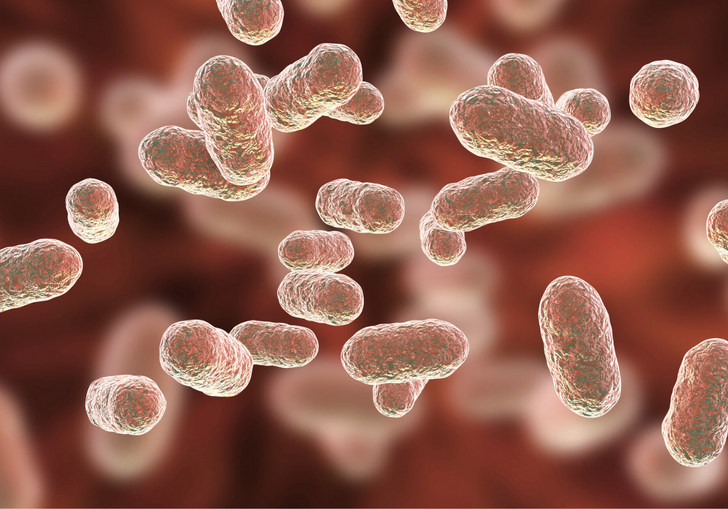
Your gut microbiome is a powerful, often overlooked factor in fertility, affecting the endocrine system and thereby everything from hormone levels to pregnancy outcomes.
Écrit par
Lennon Tomaselli
6min
minutes de lecture
microbiome
New year, new you. New gut?
Fertility is a complex interplay of developmental, hormonal, metabolic and psychological factors. Emerging research suggests that the gut microbiome may influence reproductive health on all of these levels. This blog will share a few ways this may happen.
Does Your Microbiome Affect Your Hormone Levels?
Hormones are vital regulators of reproductive health and they’re influenced by the gut (among many other factors). The gut microbiota can produce, metabolize and modulate hormones, impacting their balance and function in the body. For instance, gut bacteria can influence the levels of estrogen by producing enzymes that deactivate this hormone. Interestingly, estrogen modulation by gut bacteria may influence breast cancer, and appears to be an important signaling molecule connecting the microbiomes of your skin and gut.
The gut microbiome also affects insulin sensitivity, which plays a critical role in the body’s energy use. Insulin resistance, often seen in conditions like PCOS, can disrupt menstrual cycles and ovulation, reducing fertility.
Does Your Gut Impact Your Menstrual Cycle?
Yes, albeit through complex and indirect means, primarily involving your hormones. We know that the post-menopausal microbiome has unique characteristics and that, in women with PCOS, there may be a link between bile acids from the liver and the gut microbiome by way of Bacteroides vulgatus, which is able to change the shape of certain bile acids and affect inflammatory pathways. A genetic study that uses statistics to parse causality found a causal link between Escherichia-Shigella and menstrual issues.
The Gut Microbiome During Pregnancy
We know that both the gut and vaginal microbiomes change with pregnancy weight gain, and that this change is distinct between obese and non-obese women. Another study found that lean mothers with a particular gut microbiome makeup had a better chance of passing on some “lean-associated” gut microbes to their infants in their first few days of life.
The gut and vaginal microbiomes are distinct yet interconnected ecosystems. This conjunction can be attributed to the locations of the Vaginal and Rectal openings, which are very close to each other. However, environments are different because the bacteria in the Vagina is aerobic while those in the colon/gut are anaerobic.There are certain organisms that are able to survive in both environments, enhancing the interconnection of these two bacterial habitats. Dysbiosis in the gut microbiome can affect the vaginal microbiome through several mechanisms:
Immune System Modulation: The gut microbiome helps regulate the immune system, which in turn affects the vaginal microbiome's balance. An overactive immune response can lead to conditions like bacterial vaginosis (BV) or yeast infections, both of which can impact fertility.
Translocation of Bacteria: Pathogenic bacteria from the gut can translocate to the vaginal area and lead to infections and inflammation.
Hormonal Interactions: Gut bacteria influence hormone levels, which can impact the vaginal microbiome. For example, changes in estrogen levels can alter the vaginal pH and microbial composition.
In vitro fertilization (IVF) is a common assisted reproductive technology, but it involves hormonal treatments and lifestyle changes that can impact the gut microbiome:
Hormonal Treatments: The hormonal therapies used in IVF can alter the gut microbiota, and vice versa. The gut’s short-chain fatty acid production may chemically modify sex hormones and affect IVF success.
Dietary Changes: Women undergoing IVF often adopt specific diets to optimize their chances of success, including aiming for 50 grams of protein per day. Any dietary choice you make will affect your gut.
Stress and Anxiety: The emotional and psychological stress associated with IVF can also affect the gut microbiome. Stress management and supportive care are crucial for maintaining gut health during the IVF process.
Does the Gut Microbiome Affect Male Fertility?
While much of the focus on fertility tends to be on women, the gut microbiome also plays a vital role in male reproductive health through a few different means. Men’s hormones, including testosterone, are also influenced by the gut microbiome. Testosterone affects sperm quality and mobility. Research has also found that a healthy gut microbiome helps regulate inflammation and oxidative stress, both of which are linked to male infertility. In mice, antibiotic induced depletion of the microbiome can affect offspring health, which is reversible after the microbiome has recovered.
How Should You Optimize Your Microbiome to Conceive?
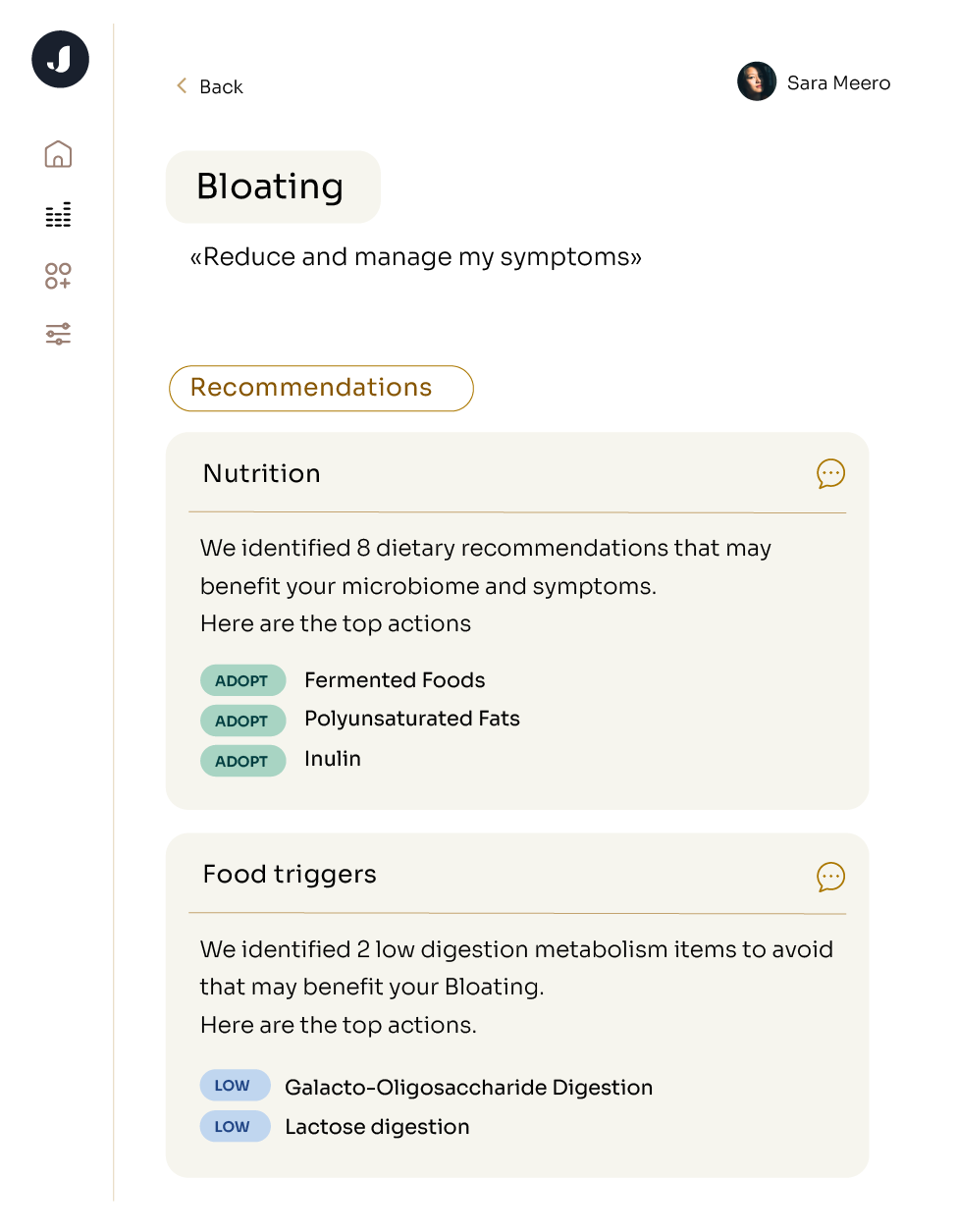
Optimizing the gut microbiome may not fix fertility issues, but it can’t hurt. A diet rich in fiber, fermented foods, and prebiotics can potentially support a healthy, pro-fertility gut microbiome. Foods such as yogurt, kefir, sauerkraut and kimchi are excellent choices. However, to tailor your diet to your body, you will need to understand the specific composition of your own gut microbiome. Incorporating stress-reducing practices such as mindfulness, yoga and regular physical activity can reduce inflammation of the gut-brain axis and potentially improve fertility. Finally, being judicious with your antibiotic usage can keep your microbiome functioning at peak performance to support hormonal health.
Conclusion
A healthy gut microbiome has links to fertility for both men and women. Aside from managing your specific microbial levels, managing stress and maintaining a healthy weight can benefit your fertility.